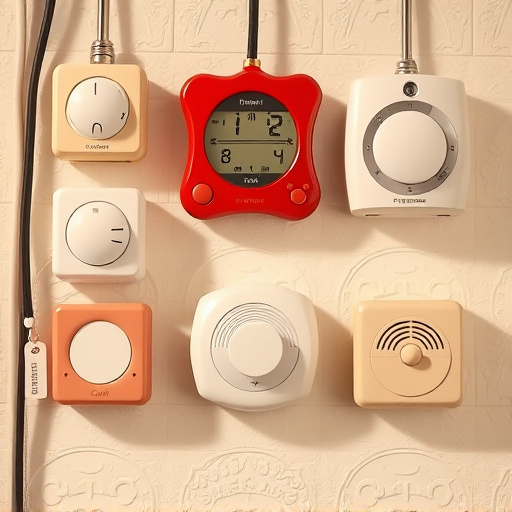
Personal Alarm False Alarm Rate: Unraveling the Complexities and Shaping a Safer Future
Introduction
In an era where safety and security are paramount, personal alarms have emerged as critical tools for individuals seeking protection in various settings. The 'Personal Alarm False Alarm Rate' (PAFAR) is a concept that underpins the effectiveness and reliability of these devices, ensuring they serve their purpose without unnecessary disruptions. This article aims to delve into the intricate world of PAFAR, exploring its definition, global impact, economic implications, technological innovations, regulatory framework, challenges, and the potential for future growth. By understanding these facets, we can appreciate the significance of personal alarms in our modern society and work towards enhancing their overall performance and public acceptance.
Understanding Personal Alarm False Alarm Rate: Unveiling the Basics
Personal Alarm False Alarm Rate refers to the frequency at which a personal alarm device activates inadvertently or due to causes other than an actual emergency, leading to unnecessary alerts and potential distress for users and response services. It is a critical metric that indicates the reliability and accuracy of personal alarms, especially in situations where false triggers can have severe consequences.
The core components of PAFAR include:
- Device Sensitivity: The sensitivity of a personal alarm determines its responsiveness to potential threats or emergencies. Higher sensitivity may reduce false alarms but could also increase the risk of accidental activation.
- Trigger Mechanisms: These are the various ways a personal alarm can be activated, such as manual buttons, motion sensors, impact detectors, or voice activation. Each mechanism has its advantages and potential for false triggering.
- User Training and Awareness: Proper training and user understanding of how to operate and respond to personal alarms are vital in minimizing false alarms. This includes recognizing legitimate emergencies from accidental activations.
- Response Services Integration: Effective PAFAR management relies on seamless coordination between alarm users, emergency services, and monitoring centers. Rapid response to genuine alerts while filtering out false alarms is essential for public safety.
Historically, the concept of false alarm rates has been prevalent in security systems, particularly fire alarms and burglar alarms. However, with the emergence of personal alarms, the focus shifted to understanding and minimizing false triggers that could disrupt daily life or lead to misdirected emergency responses. The evolution of PAFAR management reflects a growing emphasis on public safety, user experience, and technological advancements.
Global Impact and Trends: A Worldwide Perspective
The impact of Personal Alarm False Alarm Rate is not limited to any specific region; it is a global concern with varying trends across different parts of the world. Here's an overview:
| Region |
Key Trends |
Influence |
| North America |
High adoption rates of personal alarms in urban areas, leading to more sophisticated PAFAR management systems. Strict regulations on alarm response times and false alarm penalties. |
Enhanced security awareness and rapid emergency response protocols. |
| Europe |
Focus on standardizing PAFAR across member states to facilitate cross-border travel and emergency assistance. Increasing use of smart alarms with advanced integration capabilities. |
Improved interoperability between countries and more efficient emergency services coordination. |
| Asia Pacific |
Rapid urbanization drives the demand for personal alarms, particularly in major metropolitan areas. Cultural variations in emergency response behaviors impact PAFAR management. |
Diversified market needs and challenges requiring tailored solutions. |
| Latin America |
Growing awareness of personal safety, especially among women, drives alarm adoption rates. Regional disparities in access to emergency services create unique PAFAR considerations. |
Varied public safety infrastructure and potential for technology gaps. |
| Middle East & Africa |
High prevalence of personal alarms in outdoor settings due to extreme climates. Limited infrastructure for centralized alarm monitoring. |
Unique environmental challenges and decentralized response systems. |
These global trends highlight the diverse landscape of PAFAR, where regional factors, cultural norms, and economic development play significant roles in shaping the adoption and management of personal alarms.
Economic Considerations: Market Dynamics and Impact
The Personal Alarm False Alarm Rate has substantial economic implications, affecting both the alarm manufacturing sector and emergency response services.
Market Dynamics:
- Global Market Size: The global personal alarm market is projected to reach USD 1.2 billion by 2025, growing at a CAGR of 7.8% (2020-2025). This growth is driven by increasing personal safety concerns, technological advancements, and rising demand in emerging markets.
- Regional Market Analysis: North America dominates the market with a significant share due to stringent security regulations and high urban population density. Asia Pacific is expected to grow fastest, fueled by rapid industrialization and urbanization.
- Product Segments: Personal alarms are categorized based on technology (e.g., GPS, RFID), application (travel, outdoor activities, personal safety), and target audience (women, seniors, children). Each segment exhibits unique PAFAR considerations.
Economic Impact:
- Manufacturers and Suppliers: Lower PAFAR rates can enhance the reputation of alarm manufacturers, leading to increased market share and revenue. Conversely, high false alarm rates may result in product recalls, legal liabilities, and potential market sanctions.
- Emergency Services: Frequent false alarms impose operational costs on emergency services, including response time losses, equipment maintenance, and staff overhead. Efficient PAFAR management can reduce these burdens, allowing resources to be allocated more effectively.
- Insurance Sector: Insurers may factor in an individual's or organization's PAFAR history when assessing risk and determining premium rates for personal safety or property insurance policies.
Technological Innovations: Enhancing Alarm Performance
The technology behind personal alarms has evolved significantly, addressing many of the challenges associated with false alarms while enhancing overall performance and user experience.
- Advanced Sensors: Modern alarms employ sophisticated motion sensors, accelerometers, and impact detectors that can differentiate between intentional activation and environmental triggers. These improvements reduce false alarms caused by everyday movements or accidental bumps.
- GPS Integration: GPS technology allows users to pinpoint their location in case of an emergency, improving response accuracy. It also enables remote deactivation and real-time monitoring, reducing the likelihood of false alarms.
- Voice Activation and AI Assistance: Voice-activated alarms and artificial intelligence (AI) assistants provide hands-free operation and advanced threat detection capabilities. These features can improve user experience while minimizing false triggers.
- Smart Alarm Systems: Integrated smart alarm platforms offer real-time monitoring, remote alerts, and automated response options. These systems leverage cloud technology and IoT (Internet of Things) connectivity to enhance PAFAR management and user safety.
Regulatory Framework: Ensuring Public Safety and Performance
Governing bodies worldwide have implemented regulations to ensure the reliability and effectiveness of personal alarms, addressing the critical issue of false alarms.
- Response Time Requirements: Many jurisdictions mandate specific response times for alarm activations to guarantee prompt emergency services. Failure to meet these times may result in penalties or fines for alarm manufacturers or users.
- False Alarm Penalties: Strict rules penalize unnecessary or malicious false alarms, encouraging responsible use and training. Fines or registration restrictions are common consequences.
- Product Certification and Standards: Independent testing and certification ensure that personal alarms meet certain performance standards, including PAFAR requirements. These standards help consumers make informed choices.
- Data Privacy and Security: With the integration of smart alarms and cloud connectivity, data privacy and security regulations become essential to protect user information and prevent unauthorized access.
Challenges in Personal Alarm False Alarm Rate Management: Overcoming Obstacles
Despite significant advancements, managing PAFAR presents several challenges that require ongoing attention and innovative solutions:
- Environmental Factors: Extreme weather conditions, natural disasters, or outdoor activities can impact alarm performance, leading to false alarms or difficulty in activation.
- User Behavior and Training: Inconsistent user training and varying levels of understanding about alarm operation contribute to false triggering.
- Technological Limitations: Despite technological advancements, some alarm types may still be prone to unintentional activations due to inherent design constraints.
- Emergency Service Overload: In densely populated areas, a high volume of alarm activations can overwhelm response services, leading to longer response times for genuine emergencies.
- Data Management and Security: As smart alarms generate vast amounts of data, secure storage, analysis, and interpretation become critical to optimize PAFAR without compromising privacy.
Future Growth and Opportunities: Shaping the Next Generation of Alarms
The future of Personal Alarm False Alarm Rate management holds immense potential for technological advancements, improved public safety, and enhanced user experiences. Here are some key trends and opportunities:
- AI and Machine Learning: Advanced AI algorithms can analyze alarm data patterns to predict false alarms, optimize response times, and enhance overall system performance.
- IoT Integration: The Internet of Things will enable seamless communication between personal alarms, smart homes, and emergency services, allowing for more efficient PAFAR management and automated responses.
- Personalized Alarm Systems: Customizable alarm settings tailored to individual user preferences and needs can improve adherence to guidelines and reduce false alarms.
- Global Standardization: Developing international standards for PAFAR performance and testing will facilitate cross-border product certification, ensuring consistent quality worldwide.
- Public Education and Awareness: Continuous public awareness campaigns can educate users on responsible alarm use, reducing false triggers and improving overall acceptance of personal alarms.
Conclusion: Striving for Excellence in Personal Alarm Performance
Personal Alarm False Alarm Rate is a critical aspect of public safety infrastructure that requires ongoing attention, research, and collaboration between manufacturers, regulators, emergency services, and end-users. By addressing the challenges and embracing technological advancements, we can enhance the overall effectiveness and reliability of personal alarms.
As the global demand for personal safety solutions continues to grow, the PAFAR management ecosystem must adapt and evolve to meet evolving needs. Through continued innovation, stringent regulations, and user education, we can ensure that personal alarms serve their intended purpose—protecting individuals and communities—without unnecessary disruptions or false alarms.
November 17, 2025
Personal Alarm False Alarm Rate
Personal safety necklaces with SOS features enhance individual security during emergencies by discre.......
Read more →
November 15, 2025
Personal Alarm False Alarm Rate
Electronic personal safety alert systems, measured by the Personal Alarm False Alarm Rate (PAFAR), u.......
Read more →
November 13, 2025
Personal Alarm False Alarm Rate
Personal alarms offer crucial safety for solo travelers, with a key focus on minimizing the Personal.......
Read more →
November 11, 2025
Personal Alarm False Alarm Rate
Portable panic buttons with low Personal Alarm False Alarm Rate (PAFAR) are essential for personal s.......
Read more →
November 10, 2025
Personal Alarm False Alarm Rate
Handheld personal protection alarms have evolved with advanced sensors and user-friendly designs, of.......
Read more →
November 8, 2025
Personal Alarm False Alarm Rate
Emergency alert pendants with GPS tracking are crucial for immediate assistance during crises. False.......
Read more →
November 5, 2025
Personal Alarm False Alarm Rate
Remote monitoring technology revolutionizes personal safety with advanced Personal Protection Device.......
Read more →
November 4, 2025
Personal Alarm False Alarm Rate
Personal alarms with a Personal Alarm False Alarm Rate (PAFAR) below 2% are crucial for outdoor safe.......
Read more →
November 1, 2025
Personal Alarm False Alarm Rate
Personal alarms are vital for solo travelers, offering protection with a low Personal Alarm False Al.......
Read more →
October 31, 2025
Personal Alarm False Alarm Rate
Personal alarm devices with location-sharing capabilities enhance safety for solo travelers and remo.......
Read more →
October 28, 2025
Personal Alarm False Alarm Rate
Wearable emergency devices, especially personal alarms, offer silent alerts for swift help during cr.......
Read more →
October 26, 2025
Personal Alarm False Alarm Rate
Portable panic buttons offer an innovative solution for personal safety with reduced false alarm rat.......
Read more →
October 25, 2025
Personal Alarm False Alarm Rate
College students should select personal alarms with a low false alarm rate to avoid unnecessary dist.......
Read more →
October 23, 2025
Personal Alarm False Alarm Rate
Personal alarms with GPS tracking enhance safety by accurately pinpointing locations and minimizing.......
Read more →
October 21, 2025
Personal Alarm False Alarm Rate
Personal alarm devices with alert buttons offer discreet emergency protection, but understanding the.......
Read more →
October 19, 2025
Personal Alarm False Alarm Rate
Personal alarm systems integrated with smartphones offer immediate alerts, GPS tracking, and emergen.......
Read more →
October 14, 2025
Personal Alarm False Alarm Rate
Personal safety whistles with LED lights offer enhanced security through loud alarms and visible lig.......
Read more →
October 12, 2025
Personal Alarm False Alarm Rate
Wearable security devices, especially personal alarms, offer hands-free protection with instant mobi.......
Read more →
October 10, 2025
Personal Alarm False Alarm Rate
Mobile safety alarms with distress signals enhance personal security in limited-access areas, utiliz.......
Read more →
October 8, 2025
Personal Alarm False Alarm Rate
Personal alarms with tracking technology leverage unique physical and behavioral signals to ensure s.......
Read more →
October 6, 2025
Personal Alarm False Alarm Rate
Personal alarm keychains offer a compact, powerful self-defense tool with a low Personal Alarm False.......
Read more →
October 4, 2025
Personal Alarm False Alarm Rate
Portable panic buttons with monitoring services offer immediate emergency assistance through single-.......
Read more →
October 2, 2025
Personal Alarm False Alarm Rate
Wearable security devices offer discreet yet powerful protection with mobile alerts for emergencies........
Read more →
September 30, 2025
Personal Alarm False Alarm Rate
Personal alarms offer seniors vital peace of mind and independence, but false alarms are a key conce.......
Read more →
September 28, 2025
Personal Alarm False Alarm Rate
The Personal Alarm False Alarm Rate is a crucial metric for evaluating keychain alarms. A low rate i.......
Read more →
September 26, 2025
Personal Alarm False Alarm Rate
Personal alarm keychains offer discreet self-defense with a low false alarm rate, thanks to sensitiv.......
Read more →
September 24, 2025
Personal Alarm False Alarm Rate
Advanced mobile safety alarms with distress signals offer powerful sounds, sophisticated technology,.......
Read more →
September 22, 2025
Personal Alarm False Alarm Rate
Personal alarms with GPS tracking and location-sharing features enhance safety, especially in remote.......
Read more →
September 20, 2025
Personal Alarm False Alarm Rate
"Personal protection sirens are indispensable tools for outdoor enthus.......
Read more →
September 18, 2025
Personal Alarm False Alarm Rate
Personal alarms rely on low false alarm rates for reliability in emergencies. Adjusting sensitivity,.......
Read more →
September 16, 2025
Personal Alarm False Alarm Rate
Personal safety beacons combine GPS technology and algorithms to offer precise location sharing and.......
Read more →
September 14, 2025
Personal Alarm False Alarm Rate
Discreet personal alarm keychains offer immediate security with advanced sensors to minimize false a.......
Read more →
September 12, 2025
Personal Alarm False Alarm Rate
Personal alarms with advanced features like GPS tracking and adjustable volume aim to provide reliab.......
Read more →
September 10, 2025
Personal Alarm False Alarm Rate
Emergency SOS alarms with smartphone connectivity have become essential for personal safety, swiftly.......
Read more →
September 8, 2025
Personal Alarm False Alarm Rate
Personal alarm devices, ranging from keychains to handheld models, offer portable protection with lo.......
Read more →
September 6, 2025
Personal Alarm False Alarm Rate
Personal alarm beacons with GPS technology enhance safety by broadcasting location data for swift em.......
Read more →
September 4, 2025
Personal Alarm False Alarm Rate
Portable personal alarms offer reliable protection with loud sounds and lights for emergencies. Choo.......
Read more →
September 2, 2025
Personal Alarm False Alarm Rate
Mobile safety alarms with distress signals offer vital emergency assistance, but false alarm rates a.......
Read more →
August 31, 2025
Personal Alarm False Alarm Rate
Personal alarms with low false alarm rates (below 10%) offer effective late-night protection. Advanc.......
Read more →